Elevating Brand Aesthetics: The Strategic Impact of the Gold Blush Floral Sublimation Pattern
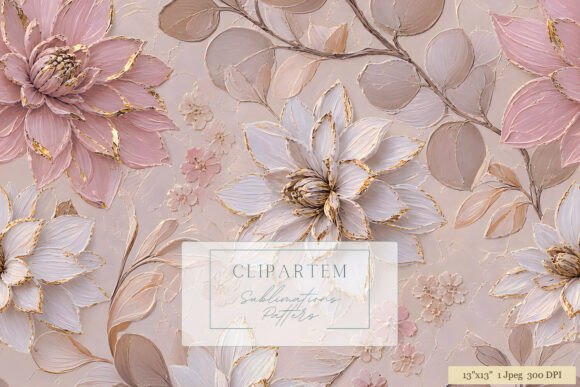
In an increasingly digitized marketplace, the tactile quality of design has become a crucial differentiator for brands and creators. Consumers are no longer satisfied with flat, two-dimensional graphics; they crave depth, texture, and a sense of artisanal craftsmanship, even in mass-produced items. This shift in consumer expectation has propelled specific design motifs to the forefront of the industry, none more so than the Gold Blush Floral Sublimation Pattern. This distinctive aesthetic, characterized by luxurious blush and white dahlia flowers with gold foil outlines on a warm cream background, represents more than just a visual trend; it is a strategic asset for entrepreneurs looking to capture the attention of a sophisticated audience.
Defining the Aesthetic: Impasto Meets Digital Precision
At its core, this pattern is a masterful blend of traditional artistic techniques and modern printing technology. The design features large-scale dahlia and lotus-style blooms rendered in a thick impasto oil-painting style. Unlike standard vector florals that rely on clean lines and solid fills, this approach utilizes visible brushstroke textures throughout the composition. Each petal is carefully edged with shimmering gold foil detailing, creating a glamorous, high-end aesthetic that mimics the look of hand-painted luxury goods.
The color palette is meticulously curated to evoke a soft, feminine, yet powerful mood. Composed of dusty blush pink, creamy white, warm taupe, muted mauve, and champagne gold, the design sits against a pale blush-cream background. This specific combination avoids the starkness of pure white or the heaviness of dark backgrounds, opting instead for a warm, inviting canvas that feels both romantic and professional. Secondary elements, such as oversized rounded leaves, delicate cherry blossom-style filler flowers, and flowing branches, share the same painted texture and gold accents, ensuring a cohesive visual language across any surface it adorns.
The Market Shift Toward Tactile Digitalism
Why is the market paying such close attention to this specific style? The answer lies in the evolving psychology of the modern consumer. We are witnessing a "digital fatigue" where users are overwhelmed by sleek, sterile, and overly polished UI/UX designs in their daily lives. In response, there is a surging demand for products that offer sensory richness. The Gold Blush Floral Sublimation Pattern addresses this by bringing the warmth of physical art into the digital realm.
For professionals in the print-on-demand (POD) sector, this trend signals a move away from generic clip-art toward bespoke, gallery-quality finishes. The impasto painterly style adds depth and tactile richness that photographs beautifully on physical products. When a customer sees a tumbler or phone case featuring this pattern, the visual texture suggests a higher price point and superior quality, even before they touch the item. This perception of value is critical for freelancers and small business owners competing in saturated markets like Etsy, Shopify, and Amazon Handmade.
Aligning with Lifestyle and Wedding Trends
The mood of this pattern—romantic, luxurious, and sophisticated—aligns perfectly with current trends in the bridal and wedding industries. Modern weddings are moving away from rigid formality toward personalized, elegant experiences that feel intimate and curated. The dusty blush and champagne gold palette is a staple in contemporary wedding decor, making this pattern an ideal choice for bridal party gifts, wedding favors, and commemorative items.
Furthermore, the "feminine lifestyle" branding sector, which encompasses wellness, self-care, and home organization, heavily relies on aesthetics that promote calm and beauty. Products featuring these oversized blooms and gold accents resonate deeply with audiences who view their daily tools—such as planners, water bottles, and tote bags—as extensions of their personal identity and self-care routines.
Practical Applications Across Industries
The versatility of this sublimation pattern allows it to transcend a single product category, making it a valuable resource for diverse creative workflows. Its high-resolution texture and seamless nature make it perfectly suited for sublimation printing on a wide array of substrates.
- Apparel and Accessories: The soft color palette ensures that the design looks flattering on various fabric types, from polyester blends in activewear to silk scarves. The gold foil simulation adds a touch of evening wear elegance to casual items.
- Home Decor and Drinkware: On tumblers and mugs, the curved surfaces enhance the three-dimensional illusion of the impasto strokes. The warm cream background ensures that the design remains visible and vibrant regardless of the lighting conditions in a kitchen or office.
- Tech Accessories: Phone cases and laptop skins benefit from the intricate details of the cherry blossom fillers and gold outlines, turning everyday tech into statement pieces.
Beyond physical goods, the pattern excels as digital paper for scrapbooking, planner covers, and gift wrap. For digital creators using platforms like Canva, Procreate, or Photoshop, this pattern serves as a robust background for textile mockups, social media graphics, and website headers. It provides an instant layer of sophistication to digital presentations, allowing marketers to elevate their brand storytelling without needing custom photography.
Workflow Efficiency for Creators
For designers and entrepreneurs, adopting pre-made, high-quality patterns like this one streamlines the production workflow. Instead of spending hours painting individual flowers or sourcing disparate elements that may not cohesive, creators can utilize this comprehensive pattern to launch products rapidly. This efficiency is vital in a fast-paced market where trending topics and seasonal demands change quickly.
Moreover, the technical execution of the pattern ensures compatibility with modern sublimation printers. The distinction between the warm taupe shadows and the bright champagne gold highlights is calibrated to prevent color banding, a common issue in gradient-heavy floral designs. This attention to technical detail means that the final output consistently matches the designer's vision, reducing waste and increasing customer satisfaction.
The Future of Surface Pattern Design
As we look forward, the integration of traditional art styles with digital manufacturing will only deepen. The success of the Gold Blush Floral Sublimation Pattern illustrates a broader development in the creative economy: the blurring line between the handmade and the manufactured. Consumers do not necessarily need an item to be literally hand-painted; they need it to feel authentic and crafted with care.
This pattern meets that need by leveraging the precision of sublimation technology to replicate the organic chaos of oil paint. It proves that digital tools can honor traditional mediums rather than replace them. For marketers and brand strategists, this offers a compelling narrative. Selling a product with this design is not just selling a flower print; it is selling an experience of luxury, artistry, and timeless elegance.
In conclusion, the convergence of the impasto technique, the luxurious gold foil accent, and the soothing blush palette creates a design asset that is both visually stunning and commercially viable. Whether applied to a Spoonflower fabric upload, a custom wedding invitation suite, or a line of branded apparel, this pattern stands as a testament to the power of textured, thoughtful design in capturing the modern consumer's imagination. By understanding the context and relevance of such aesthetics, professionals can better navigate the evolving landscape of visual commerce and create products that truly resonate.
For those ready to integrate this level of sophistication into their portfolio, exploring the nuances of how light interacts with the simulated gold foil and how the brushstrokes guide the eye across the cream background will yield the best results. It is a reminder that in design, as in business, the details often make the difference between a commodity and a coveted brand.