Integrating Vertical Stripe Floral Pattern into Professional Creative Workflows
In the landscape of modern digital design and content creation, the selection of visual assets is rarely just about aesthetics; it is a strategic decision that impacts workflow efficiency, brand consistency, and final output quality. The Vertical Stripe Floral Pattern represents a specific intersection of classic botanical motifs and structured geometric organization. For professionals ranging from graphic designers and marketers to small business owners and educators, understanding how to integrate this specific asset type into a broader production pipeline is essential for maximizing its value.
This guide explores the practical application of high-resolution floral stripe patterns, moving beyond simple decoration to discuss how these assets function within real-world projects. We will examine preparation, compatibility, implementation strategies, and quality control measures to ensure seamless integration into your creative routine.
Defining the Asset and Its Strategic Role
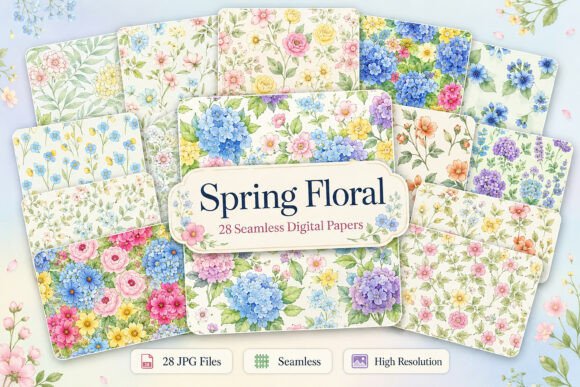
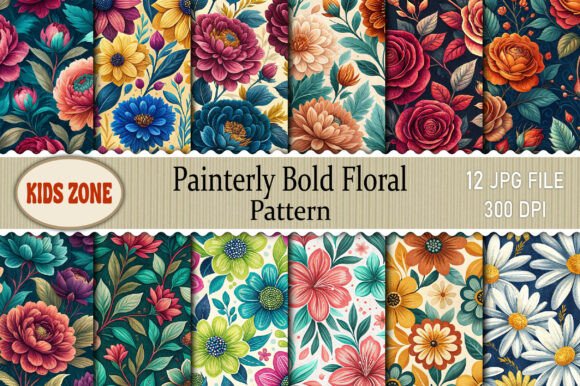
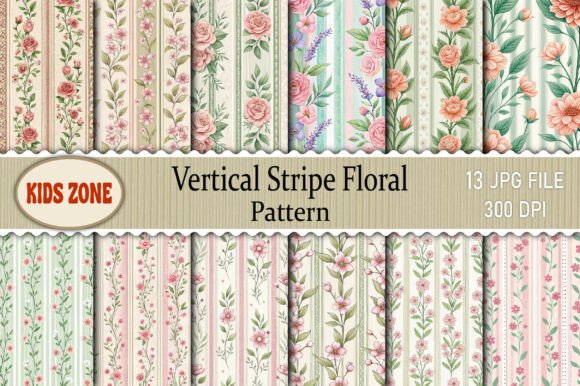
A Vertical Stripe Floral Pattern combines the organic, free-flowing nature of floral illustrations with the rigid, guiding lines of vertical striping. This duality makes it uniquely versatile. Unlike all-over prints which can sometimes overwhelm a layout, the vertical structure provides inherent directionality and rhythm. This makes the pattern particularly effective for backgrounds that need to support text, borders that frame content without distracting from it, or packaging designs that require a sense of height and elegance.
When you acquire a collection such as the one described—comprising 13 high-quality JPG files at 300 DPI and 12x12 inches—you are not just buying images; you are acquiring a modular toolkit. The "digital product" nature of this download means immediate accessibility, but it also places the responsibility of organization and file management squarely on the user. Understanding the specifications is the first step in workflow planning. A resolution of 300 DPI indicates print-readiness, suitable for physical products like stationery, fabric, or packaging, while the JPG format ensures broad compatibility across design software, web platforms, and presentation tools.
Pre-Production: Preparation and Organization
Before a single pixel is placed in a design canvas, successful integration begins with file management. Upon downloading the Zip File containing your 13 variations, the immediate task is extraction and organization. Professionals who maintain efficient workflows treat asset libraries with the same rigor as their project files.
- Directory Structure: Create a dedicated folder within your central asset library. Name it clearly, perhaps including the date of acquisition and the theme (e.g., "2024_Floral_Stripes_HQ").
- File Inspection: Open each of the 13 JPG files immediately. Verify the resolution and check for any compression artifacts, although 300 DPI JPGs are generally robust. This quality control step prevents surprises mid-project.
- Metadata Tagging: If your operating system or Digital Asset Management (DAM) software allows, tag these files with keywords like "floral," "stripe," "vertical," "botanical," and "pattern." This semantic indexing speeds up future retrieval when you are under deadline pressure.
This preparatory phase ensures that when a client requests a "fresh, organic yet structured look" for a branding package, you can locate the appropriate Vertical Stripe Floral Pattern instantly rather than wasting time searching through disorganized downloads.
Integration During the Creative Process
Once organized, these patterns become active components in various stages of creation. Their application differs depending on whether the end goal is digital or physical, and whether the pattern serves as a primary focal point or a supporting element.
Branding and Marketing Materials
For marketers and small business owners, consistency is key. These vertical stripes can serve as a secondary brand element. Consider using them on the back of business cards, as a subtle background for email newsletters, or as a border for social media graphics. The vertical orientation naturally draws the eye up and down, which is advantageous for mobile-first designs where screen real estate is narrow.
When implementing these patterns in marketing collateral, pay attention to opacity and layering. In software like Adobe Photoshop or Canva, placing the floral stripe layer behind text blocks and reducing its opacity to 10–20% can create a textured backdrop that adds depth without compromising readability. This technique is particularly useful for flyers, menus, and brochures where a plain white background feels too stark.
Packaging and Product Design
The 12x12 inch dimension at 300 DPI makes these files ideal for small-to-medium scale packaging projects. Entrepreneurs launching boutique products, such as handmade soaps, candles, or artisanal foods, can utilize these patterns for box wraps, labels, or tissue paper inserts. The vertical stripe motif works exceptionally well on cylindrical containers, as the lines emphasize the shape of the product.
In this context, the workflow involves mocking up the design before sending it to print. Use the high-resolution JPGs to create realistic 3D renderings of your packaging. This allows stakeholders to visualize the final product and make necessary adjustments to color balance or scale before committing to a print run. The "no physical items shipped" note in the product description reinforces that you have full control over the printing vendor, allowing you to choose paper stocks and finishes that complement the floral aesthetic.
Educational and Editorial Content
Educators and publishers can leverage these assets to break up dense text or to create engaging headers in worksheets, e-books, and blog posts. The floral element adds a touch of warmth and approachability, which is beneficial for materials aimed at lifestyle, wellness, or creative industries. When used in digital publications, ensure the file size is optimized for web loading speeds. While the source file is high resolution for print, you may need to export a lower-resolution version (72 DPI) for web use to maintain site performance.
Compatibility and Technical Considerations
Working with JPG files offers universal compatibility, but it comes with limitations regarding editing flexibility compared to vector formats (SVG or AI). Since the Vertical Stripe Floral Pattern provided is a raster image, scaling it up beyond its original 12x12 inches may result in pixelation. Therefore, planning the scale of usage during the initial design phase is critical.
If your workflow requires tiling the pattern to cover a large area, such as a website background or a large format banner, you must ensure the edges of the 12x12 inch file are seamless. Most professional pattern downloads are designed to tile, but it is prudent to test this in your design software. Create a larger canvas and duplicate the pattern side-by-side to inspect the seam. If a visible line appears, you may need to use cloning or healing tools to blend the edge, though high-quality downloads typically minimize this issue.
Furthermore, color management is vital. Screens display colors in RGB, while printers use CMYK. A vibrant floral pattern on your monitor may appear duller in print if not managed correctly. Always request a proof from your printer or convert your working file to CMYK early in the process if the final output is physical. This proactive step ensures the delicate hues of the florals remain true to your vision.
Post-Project Analysis and Long-Term Utility
After a project is completed, the utility of the Vertical Stripe Floral Pattern does not end. Effective creators archive their work with an eye toward future repurposing. Did a specific stripe variation perform well in an Instagram campaign? Save that specific layout as a template. Was a certain color combination praised in a client presentation? Tag that file for similar future clients.
Long-term use also involves staying updated with trends. While floral motifs are timeless, the styling of stripes and the color palettes used can shift. By owning a diverse set of 13 files, you have a buffer against trend volatility. You can mix and match different files from the same pack to create new composite patterns or use them as texture overlays on solid colors to refresh old designs without purchasing new assets.
Conclusion: Elevating Workflow Through Strategic Asset Use
Incorporating a Vertical Stripe Floral Pattern into your professional toolkit is more than an aesthetic choice; it is a workflow enhancement. By treating these digital downloads as structured assets rather than mere decorations, you streamline your production process, ensure higher quality outputs, and maintain greater creative flexibility. From the moment you unzip the file to the final print or digital publish, every step—from organization and compatibility checks to strategic layering and archiving—contributes to a more efficient and professional outcome.
Whether you are designing a product label, crafting a social media strategy, or laying out an educational resource, these high-resolution patterns provide the structural backbone needed to elevate your work. Embrace the process, respect the technical specifications, and let the versatility of the vertical floral stripe drive your next creative success.