Evaluating STRAWBERRY COQUETTE Digital Paper for Professional and Personal Design Projects
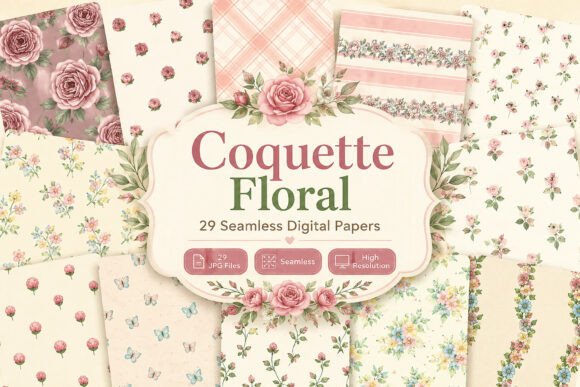
When selecting digital assets for creative workflows, the distinction between a generic background and a purpose-built design element often lies in resolution, seamlessness, and thematic cohesion. STRAWBERRY COQUETTE Digital Paper represents a specific category of high-fidelity graphic resources designed to bridge the gap between whimsical aesthetics and professional utility. This asset is not merely a decorative image; it is a functional tool engineered for versatility across print and digital media. Understanding its technical specifications, such as the 300 DPI resolution and seamless tiling capabilities, is essential for designers, scrapbookers, and content creators who need to evaluate whether this style fits their current project requirements or if an alternative approach would yield better results.
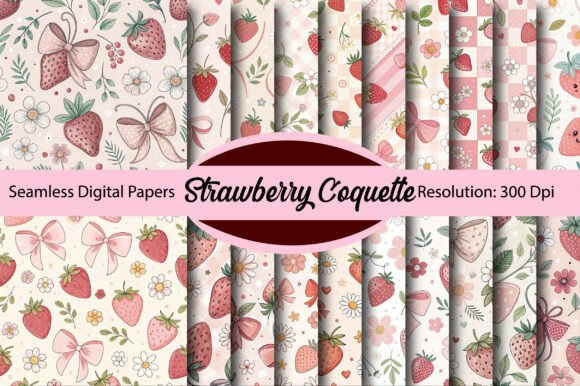
The core value proposition of STRAWBERRY COQUETTE Digital Paper lies in its dual nature: it offers the nostalgic charm of coquette fashion trends—characterized by bows, soft textures, and strawberry motifs—while maintaining the rigorous technical standards required for commercial printing. Unlike lower-resolution web graphics that pixelate when enlarged, these files are delivered in JPEG format at 300 dots per inch. This specification is critical for anyone intending to use the pattern for physical products like packaging, greeting cards, or fabric prints. However, for users whose primary focus is strictly low-bandwidth web usage, the file size and detail level might represent an over-specification, suggesting that understanding your end-use case is the first step in determining if this resource is the optimal choice.
Technical Specifications and Practical Application
The term "seamless" in the context of STRAWBERRY COQUETTE Digital Paper refers to the pattern's ability to tile infinitely without visible edges or breaks. This is a significant advantage over non-seamless illustrations, which require complex masking or cloning in editing software to cover large areas. For professionals creating website backgrounds or blog headers, a truly seamless pattern ensures a consistent visual experience across various screen sizes without awkward interruptions in the design flow. Similarly, in papercraft and scrapbooking, seamless patterns allow for the creation of continuous backgrounds that do not distract from the focal points of photos or embellishments.
One of the most common misconceptions regarding digital paper is the assumption that all high-resolution images are suitable for all mediums. While STRAWBERRY COQUETTE Digital Paper excels in print applications due to its 300 DPI clarity, its utility extends into digital realms where high definition is increasingly becoming the standard. For instance, using these patterns as wallpapers for high-retina displays or tablets ensures that the intricate details of the strawberry and bow motifs remain crisp. Conversely, if a user requires a transparent background to overlay the pattern onto colored surfaces, it is important to note that while the pattern itself is seamless, the JPEG format does not support transparency. In scenarios where layering over non-white backgrounds is essential without a bounding box, users may need to employ masking techniques in software like Photoshop or seek PNG alternatives, representing a potential trade-off to consider during the selection process.
Comparing Aesthetic Styles and Market Alternatives
In the broader landscape of digital backgrounds, STRAWBERRY COQUETTE Digital Paper occupies a niche that blends vintage romance with modern pop culture influences. When comparing this style to other popular categories, distinct differences emerge. For example, minimalist geometric patterns offer neutrality and structure but often lack the emotional warmth and narrative quality provided by the coquette aesthetic. On the other hand, highly realistic floral photography provides depth but can sometimes overwhelm a layout, making text difficult to read. The STRAWBERRY COQUETTE style strikes a balance; it is illustrative enough to add character but stylized enough to serve as a supportive background rather than a dominant foreground element.
Furthermore, when evaluating this product against hand-drawn custom illustrations, the trade-offs become clear regarding time and consistency. Commissioning a custom artist allows for unique, one-of-a-kind elements but comes with higher costs and longer turnaround times. STRAWBERRY COQUETTE Digital Paper offers an immediate, cost-effective solution with guaranteed consistency across multiple projects. This makes it particularly advantageous for small business owners creating cohesive branding materials, such as party packs or product packaging, where maintaining a uniform look across different items is crucial for brand recognition. However, for luxury brands seeking exclusive, non-replicable art, a custom commission might still be the preferred route despite the efficiency of pre-made digital papers.
Decision Factors: When to Choose This Resource
Selecting the right digital asset requires a clear assessment of the project's scope. STRAWBERRY COQUETTE Digital Paper is arguably the right choice when the project demands a blend of playful elegance and technical reliability. It is ideally suited for:
- Event Stationery: The high resolution ensures that invitations and thank-you cards for bridal showers or birthday parties print sharply without graininess.
- Digital Scrapbooking: The seamless nature allows for easy expansion of canvas sizes, accommodating various photo layouts without running out of background space.
- Fashion and Textile Mockups: Designers can visualize how the pattern would look on fabric or apparel before committing to physical production.
- Packaging Design: Small businesses can utilize these patterns to create distinctive wrapping paper or box liners that enhance the unboxing experience.
However, there are situations where this specific type of digital paper may not be the best fit. If a project requires a dark mode aesthetic or a strictly corporate, serious tone, the bright, whimsical nature of the strawberry coquette theme might clash with the intended message. Additionally, users working exclusively in vector-based environments (like Adobe Illustrator) for scalable logo design might find raster-based JPEGs limiting, as they cannot be scaled infinitely without potential quality loss, although at 300 DPI, the limit is rarely reached in standard applications.
Maximizing Value Across Different Mediums
To get the most out of STRAWBERRY COQUETTE Digital Paper, creators should consider the interplay between the pattern and other design elements. Because the pattern is rich in detail, it often works best when paired with solid color blocks or simple typography. Overloading a layout with additional complex graphics can result in visual noise. For web designers, using CSS to control the repetition of the background image ensures that the seamless property is utilized effectively, creating a lightweight yet visually engaging site texture that loads faster than a single massive image file.
In the realm of crafts and physical printing, the 300 DPI specification is a safeguard against poor output quality. Many free online resources offer 72 DPI images that look acceptable on a monitor but produce blurry, pixelated results when printed. By investing in or utilizing high-quality assets like STRAWBERRY COQUETTE Digital Paper, crafters avoid the frustration of wasted materials and failed prints. This is particularly relevant for those selling handmade goods on platforms like Etsy, where product presentation directly influences sales. A crisp, professional-looking background on a product tag or card signals quality to the consumer.
Ultimately, the decision to use STRAWBERRY COQUETTE Digital Paper should be driven by the specific aesthetic goals and technical requirements of the project. It serves as a robust middle ground between amateur clip art and expensive custom illustration. By offering a seamless, high-resolution, and thematically distinct option, it empowers users to elevate their designs in scrapbooking, fashion, web development, and packaging. Whether you are a professional designer looking for reliable assets or a hobbyist aiming to polish your personal projects, understanding the strengths and limitations of this digital paper format ensures that you can make an informed choice that aligns with your creative vision.